Artificial Intelligence is no longer just a futuristic concept Today it is being used across businesses, healthcare, education, finance, manufacturing, and everyday digital services Amazing AI Technologies are helping organizations automate repetitive tasks, analyze large amounts of data, improve decision-making, and create better customer experiences. Technologies such as Generative AI, machine learning, robotics, computer vision, and AI automation are becoming part of modern workflows.
In this article, we will explore the major AI technologies, simple real-world examples, and the key benefits they can provide.
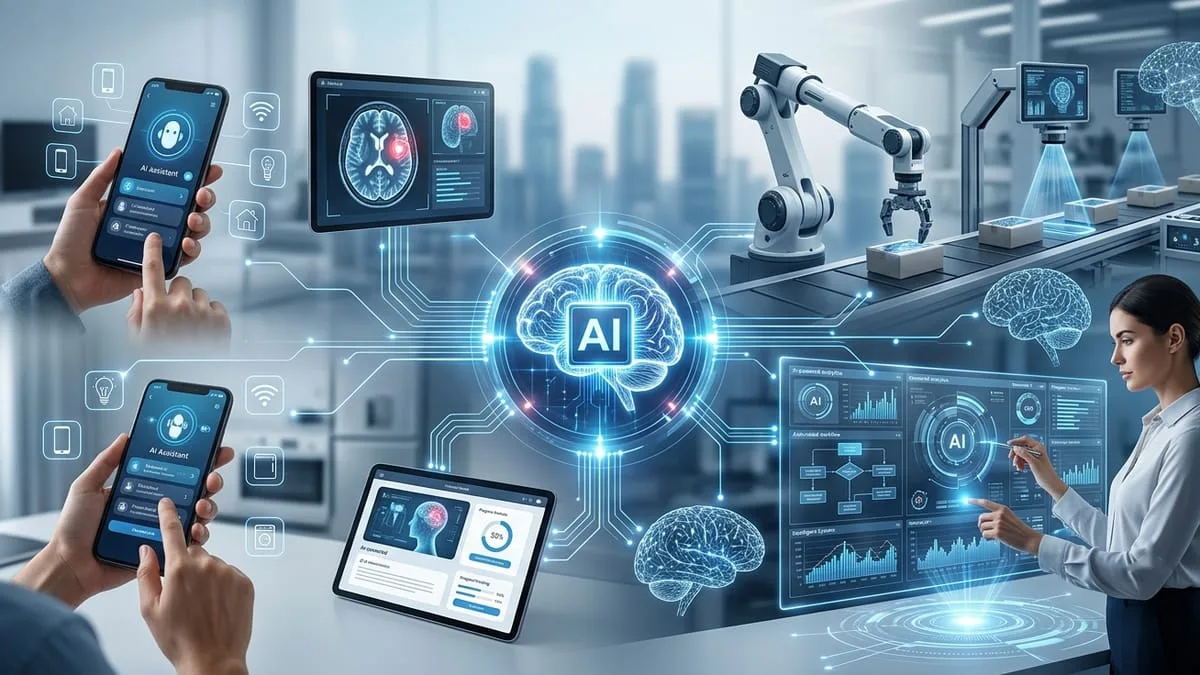
How Amazing AI Technologies Are Transforming Industries
Amazing AI Technologies are changing how businesses operate and solve everyday problems. AI systems can process large amounts of information, identify patterns, and support tasks that traditionally required significant manual effort.
Businesses are using AI for customer support, marketing, fraud detection, product recommendations, data analysis, and operational planning This can improve productivity and help organizations make more informed decisions.
Generative AI -
Generative AI is a technology that can create new content based on patterns learned from existing data. It can generate text, images, audio, video, and computer code.
Businesses can use Generative AI to create marketing ideas, product descriptions, email drafts, social media content, and customer responses. It can also help creative professionals with brainstorming and initial content creation.
Real-World Example - AI writing assistants can create a first draft of a product description or marketing email, which a human can then review and improve.
Machine Learning -
Machine Learning is a branch of AI where computer systems learn patterns from data and use those patterns to make predictions, recommendations, or classifications.
For example, online shopping platforms can analyze previous searches and purchases to recommend relevant products. Banks can also use machine learning to identify unusual transaction patterns.
Real-World Example - Netflix and similar streaming platforms can analyze viewing behavior to recommend movies and shows that may be relevant to individual users.
Robotics -
Robotics combines intelligent software with physical machines Modern robots can use sensors and AI-based systems to understand their surroundings and perform specific tasks.
Manufacturing companies use robots for assembly, packaging, and quality inspection Warehouses can also use automated machines to move, sort, and organize products.
Real-World Example - Amazon warehouses use robotic systems to help move products and support faster order-processing operations.
Computer Vision -
Computer Vision allows machines to understand and analyze information from images and videos. AI systems can identify objects patterns, faces and other visual features.
This technology is useful in manufacturing, healthcare, security, and smartphones. It can help inspect products, analyze medical images, and recognize objects in visual data.
Real-World Example - Smartphone face-recognition systems can analyze facial features to help users unlock their devices.
AI Automation -
AI Automation uses intelligent systems to handle repetitive digital tasks with less manual effort. Businesses can use it to categorize emails, process invoices, manage appointments, and route customer requests.
Unlike basic rule-based automation, AI-powered systems can use data and patterns to support more flexible workflows. This can allow employees to spend more time on creative, strategic, and customer-focused activities.
Real-World Example - customer service system can automatically identify the topic of an incoming message and send it to the appropriate support team.
How AI Is Changing Everyday Life
AI is not limited to large companies or advanced research. Many people already interact with Amazing AI Technologies through AI-powered features while using smartphones, shopping websites, streaming platforms, and online services.
Smart Assistants -
Voice assistants can understand spoken commands and help users search for information, set reminders, navigate locations, or control compatible devices.
Natural language processing and machine learning allow these systems to understand everyday language and provide relevant responses.
Real-World Example - Google Assistant and similar voice assistants can help users set reminders, check information, or control supported smart devices.
Personalized Recommendations -
Streaming platforms, shopping websites, and social media applications can analyze user behavior to provide personalized recommendations.
If someone repeatedly watches a particular type of video or searches for a specific product category, AI systems can use that information to suggest similar content or products.
Real-World Example - YouTube recommends videos based on factors such as a user's viewing activity and interactions with content.
AI in Healthcare -
AI is being used in healthcare for medical research data analysis medical imaging support, and administrative processes.
AI systems can analyze large datasets and help healthcare professionals identify patterns. Hospitals can also use AI tools for appointment management, documentation, and other routine tasks.
Real-World Example - AI-based medical imaging tools can assist healthcare professionals by analyzing scans and highlighting areas that may require closer attention.
AI in Education -
AI can support personalized learning by providing customized practice explanations and learning recommendations.
Teachers can also use AI tools for lesson planning, basic content preparation, and administrative work However, human guidance remains important for critical thinking and deeper learning.
Real-World Example: An AI-powered learning platform can identify areas where a student needs more practice and recommend suitable exercises.
Key Benefits of AI Technologies
AI technologies can provide several practical benefits to businesses and individuals. The actual results depend on the type of technology, data quality, and how effectively the system is implemented.
Faster Decision Making -
AI can process large amounts of data much faster than manual analysis in many situations. This can help businesses understand customer behavior, sales patterns, and operational information.
Example: A retail business can analyze sales data to identify which products are receiving higher demand and plan inventory accordingly.
Improved Productivity -
Automating repetitive tasks can save employees valuable time. Instead of spending hours on routine data processing, employees can focus more on strategy, customer service, and creative work.
Amazing AI Technologies can therefore support human workers by reducing repetitive workloads and improving the efficiency of everyday processes.
Better Customer Experience -
AI-powered chatbots, recommendation systems, and personalized communication can help businesses provide faster and more relevant customer experiences.
Example - An online store can use an AI chatbot to answer common customer questions about products, orders, or delivery status.
Reduced Operational Costs -
Automation can make certain repetitive processes faster and more consistent. This can help businesses use their time and resources more efficiently.
However, organizations should also consider software costs, employee training, maintenance, and data-management requirements before implementing AI.
New Business Opportunities -
AI is creating opportunities for new products, services, and business models. Entrepreneurs can explore areas such as AI software, automation services, analytics, content tools, and specialized consulting.
Small businesses can also use ready-made AI platforms without building complete AI systems from scratch.
Challenges of Using AI Technologies
AI provides many opportunities but it also comes with important challenges. Businesses need to consider privacy, security, accuracy and responsible implementation when using AI systems.
Data Privacy -
AI systems may require large amounts of data to operate effectively Businesses need to handle customer and company information carefully and follow appropriate privacy and security practices.
Organizations should understand what data is being collected, where it is stored, and how it is being processed.
Accuracy and Human Review -
AI-generated information is not always accurate AI systems can sometimes produce incomplete incorrect, or misleading information.
For important business, financial, healthcare, or legal decisions, human verification is essential. AI output should be reviewed instead of being accepted without checking.
Changing Job Skills -
Automation can reduce some repetitive tasks while creating demand for new technology-related skills.
Employees can benefit from developing AI literacy, digital skills, data understanding, and the ability to work effectively with AI tools.
Responsible AI Use
AI systems should be designed and used responsibly. Businesses need to consider factors such as fairness, transparency, privacy, security, and accountability.
Human oversight becomes especially important when AI is involved in sensitive information or important decisions.
Future of AI Technologies
AI is expected to become more accessible and integrated into everyday business processes. Generative AI, machine learning, robotics, computer vision, and automation can work together to create more intelligent workflows.
Small businesses can also access advanced AI capabilities through cloud-based tools without investing in expensive infrastructure.
In the future AI may increasingly support human capabilities rather than simply replace individual tasks Successful adoption will depend on how effectively organizations connect AI with real business needs.
Conclusion
AI is transforming industries and everyday life through technologies such as Generative AI, machine learning, robotics, computer vision, and AI automation.
These technologies can help businesses improve productivity, analyze information, automate routine work, and create better customer experiences.
Amazing AI Technologies are valuable not only because of their advanced capabilities, but because they can help solve practical problems in business and daily life. With responsible implementation, human oversight, and continuous learning, AI can become an important part of the future.
Frequently asked questions
What are Amazing AI Technologies?
Amazing AI Technologies include Generative AI, machine learning, robotics, computer vision, and AI automation.
How is AI helping businesses?
AI helps businesses automate tasks, analyze data, improve productivity, and enhance customer experiences.
What are the main types of AI technology?
Major AI technologies include machine learning, Generative AI, robotics, computer vision, and natural language processing.
How is AI used in everyday life?
AI is used in smartphones, voice assistants, online shopping, streaming platforms, and social media.
What are the benefits of AI for businesses?
AI can save time, automate repetitive tasks, improve decision-making, and support customer service.
How does Generative AI work?
Generative AI learns patterns from existing data and uses them to create text, images, audio, video, or code.
How does AI automation help businesses?
AI automation handles repetitive digital tasks such as emails, invoices, appointments, and customer requests.
What is the future of AI technology?
AI is expected to become more integrated into business workflows, automation, education, healthcare, and everyday digital services.